
The El Capitan Theatre: A Hollywood Icon Shining Bright in 2025


Step into the heart of Hollywood, where the glitz of Tinseltown meets the magic of history at the El Capitan Theatre. This iconic movie palace, located at 6838 Hollywood Boulevard, has been captivating audiences since 1926 and continues to thrive in 2025 as Disney’s dazzling home for cinematic experiences. From its storied past to its vibrant present, the El Capitan is more than a theater—it’s a time machine, a cultural landmark, and a must-visit destination for movie lovers and history buffs alike. Let’s take a journey through its legacy and discover why it’s still stealing the show in 2025!
A Grand Beginning: The Roaring 1920s
The El Capitan Theatre opened its doors on May 3, 1926, as “Hollywood’s First Home of Spoken Drama.” Built by real estate mogul Charles E. Toberman, dubbed the “Father of Hollywood,” and designed by architects Stiles O. Clements (exterior) and G. Albert Lansburgh (interior), the theater was a masterpiece from the start. Its Spanish Colonial exterior and lavish East Indian-inspired interior set the stage for over 120 live performances in its first decade, featuring stars like Clark Gable, Joan Fontaine, and Will Rogers. The premiere of Charlot’s Revue in 1926, starring Gertrude Lawrence and Jack Buchanan, made headlines and cemented the theater’s place in Hollywood’s burgeoning cultural scene.
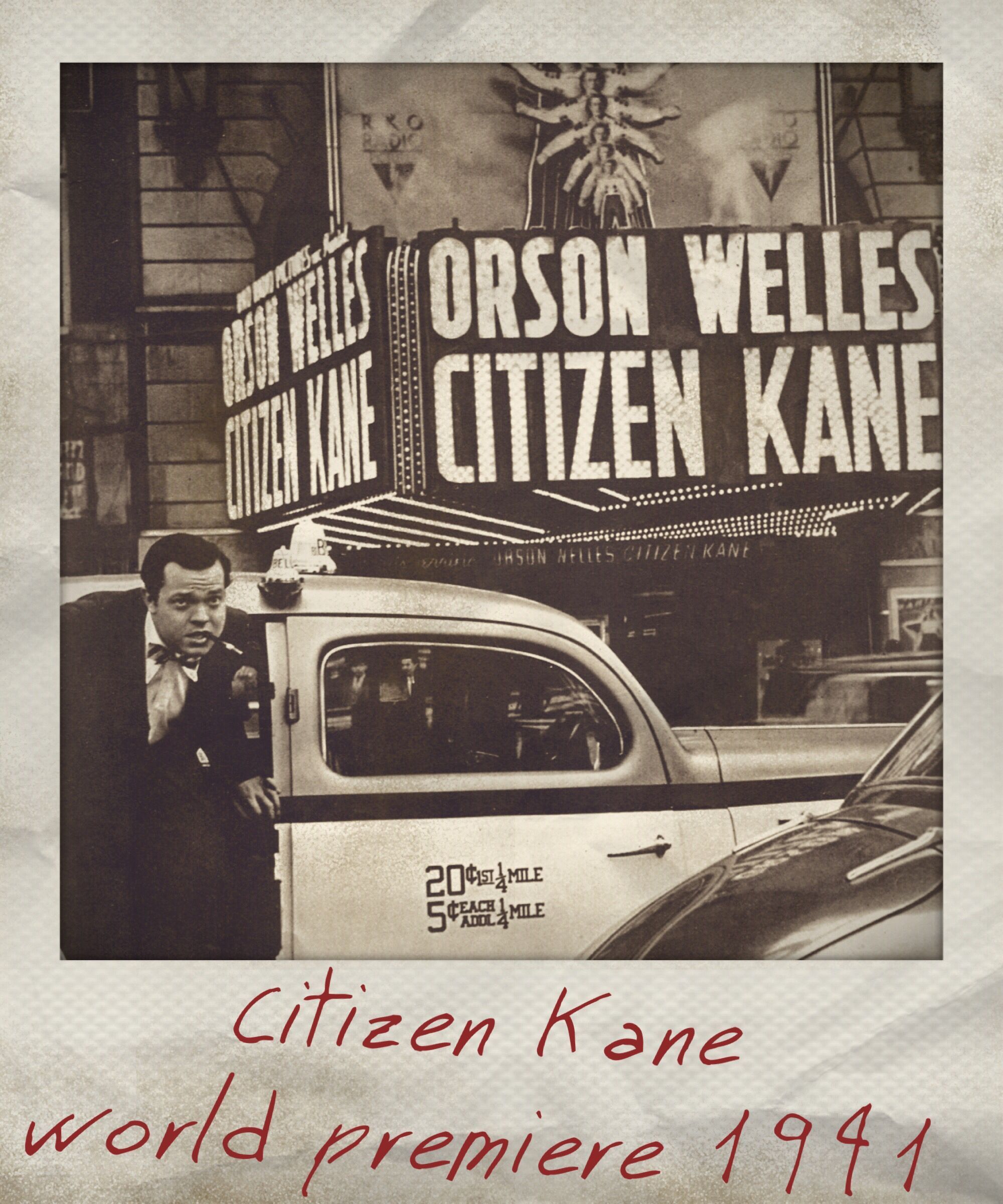
But the Great Depression hit hard, and by the late 1930s, live theater struggled to draw crowds. The El Capitan pivoted to movies, and in 1941, it hosted the world premiere of Orson Welles’ groundbreaking Citizen Kane—a bold move, as many theaters shied away from the controversial film due to pressure from media tycoon William Randolph Hearst. This premiere marked a turning point, showcasing the theater’s willingness to take risks and embrace cinematic innovation.
A New Era: The Paramount Years and Disney’s Revival

In 1942, the theater underwent a significant transformation, reopening as the Hollywood Paramount Theatre with a sleek, modern design that hid much of its original decor. The premiere of Cecil B. DeMille’s Reap the Wild Wind kicked off this new chapter, and for decades, the theater was a premier venue for Paramount Pictures’ biggest films, including War and Peace and The Music Man. However, by the 1980s, Hollywood Boulevard’s decline and competition from television dimmed the theater’s star.
Enter The Walt Disney Company. In 1989, Disney partnered with Pacific Theatres to restore the El Capitan to its former glory. This two-year, museum-quality restoration, overseen by the National Park Service and theater designer Joseph J. Musil, uncovered original features hidden beneath decades of remodeling. When the theater reopened on June 19, 1991, with the premiere of Disney’s The Rocketeer, it was a triumphant return to its roots as a cultural gem. The restoration also brought back the iconic El Capitan name and introduced state-of-the-art technology, making it Disney’s flagship theater on Hollywood Boulevard.
The El Capitan in 2025: A Magical Moviegoing Experience
Fast forward to 2025, and the El Capitan Theatre is more alive than ever, blending old-school charm with modern flair. As Disney’s exclusive first-run theater, it’s the go-to spot for premieres and special screenings, complete with Dolby Vision and Atmos for an immersive experience. This year, the theater is buzzing with excitement for films like Freakier Friday (premiering August 8, 2025, with Jamie Lee Curtis and Lindsay Lohan) and The Fantastic Four: First Steps, where fans can snap photos with props like The Thing and H.E.R.B.I.E.

What sets the El Capitan apart is its showmanship. Before each screening, audiences are treated to a pre-show featuring the Mighty Wurlitzer organ, a relic from the San Francisco Fox Theatre, playing Disney classics. Live stage shows, themed to the feature film, and curated exhibits of costumes and props (like Angelina Jolie’s Maleficent costume) make every visit an event. The theater also hosts Hollywood Premiere Experience Parties, private screenings, and behind-the-scenes tours that dive into its rich history.
The El Capitan’s 998-seat auditorium, with its restored Spanish Baroque facade and East Indian interior, transports visitors to a bygone era. Yet, it’s fully accessible, with companion seating on the orchestra level and modern amenities like gourmet concessions (think pizza and themed popcorn buckets). The adjacent Disney’s Soda Fountain and Studio Store adds to the fun, offering sweet treats and exclusive merchandise. Despite occasional gripes about cold temperatures or limited tour availability, reviews on platforms like Tripadvisor and Yelp rave about the theater’s charm, friendly staff, and nostalgic vibe.
Why the El Capitan Matters in 2025
In an age of streaming and home entertainment, the El Capitan Theatre stands as a testament to the enduring magic of the big screen. Its history—spanning live theater, Hollywood’s Golden Age, and Disney’s modern renaissance—reflects the evolution of entertainment itself. Designated a Los Angeles Cultural-Historic Monument in 1990 and part of the Hollywood Boulevard Commercial and Entertainment National Register Historic District, the El Capitan is a living piece of history.
In 2025, the theater continues to draw locals and tourists alike, offering a unique blend of nostalgia and innovation. Whether you’re catching a classic Disney film like Lilo & Stitch (screening daily through May 2025) or attending a star-studded premiere, the El Capitan delivers an experience that’s equal parts spectacle and heart. It’s a reminder that in Hollywood, where dreams are made, the El Capitan Theatre is still writing its own blockbuster story.
So, next time you’re in Los Angeles, grab a ticket, sink into a plush seat, and let the El Capitan Theatre transport you to a world where movies are more than just films—they’re unforgettable experiences. Have you visited this Hollywood icon? Share your favorite El Capitan memory in the comments!


